
Differences between ceiling and wall panels
Although visually they may appear similar because they are composed of metal and foam, the technical design of roof and façade panels is very different. Interchanging them or using them incorrectly can lead to serious structural problems and immediate water seepage.
Geometry and structural strength
The main distinction between cladding panel vs. facade is in the profiling of the exterior sheet.
-
–
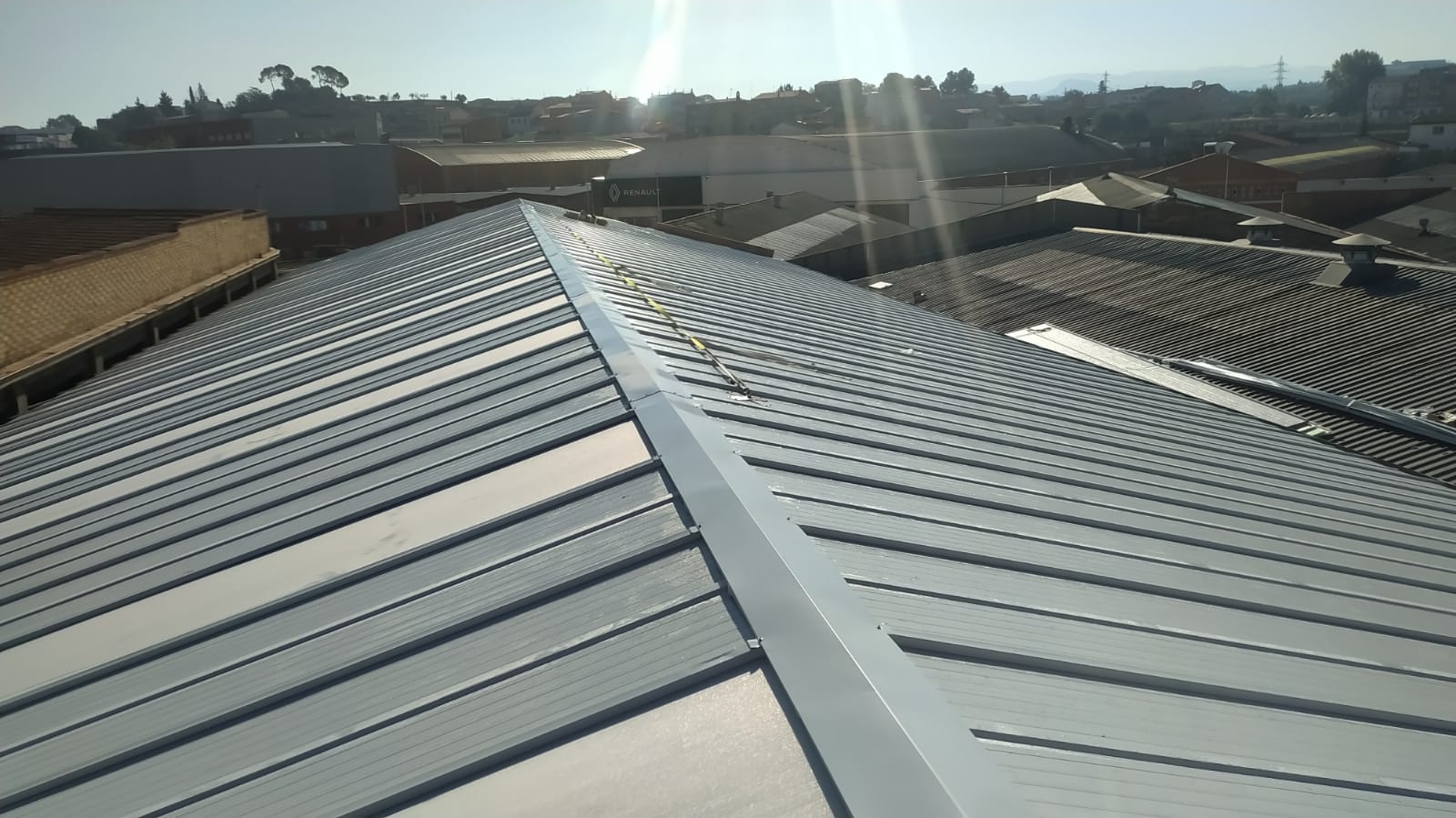
Roof Panel: It has ribs (pronounced waves). These ribs provide the necessary rigidity to support weight (snow, operators) and channel large volumes of water. -
–
Wall Panel: It is usually smooth or very smoothly profiled. It is not designed to support vertical loads or to evacuate water in a horizontal position.
Comparative table of uses
Common errors in the choice
The most serious mistake is to install a façade panel on a roof. As there are no ridges, the panel will deform under weight and water will stagnate at the joints, entering the interior of the building. However, using a roof panel on a facade is technically possible (although aesthetically industrial) and is often done to provide visual continuity.
To choose the right material, consult the catalog of this expert panel company.
Analyze well the differences of roofing panel vs. facade before buying.
Conclusion
Each panel has its function. Respecting the manufacturer’s specifications guarantees the watertightness and long-term safety of your construction.
Frequently asked questions about roof vs. facade panel
No. Even without rain, the façade panel does not have the structural strength to support its own weight horizontally without sagging over time.
Yes, the polyurethane or rock wool core is usually identical in density and thermal properties for both types of panel.
Yes, it is the usual: fretted cover for the roof and smooth or profiled panel to close the walls, keeping the same color.
Slightly, since the formation of the fretwork requires more steel per useful square meter than a flat façade panel.
Yes, on deck longer screws with large neoprene washers (cappelottis) are used to seal the fretwork. On the facade the screw is more discreet.
The façade panel is usually faster and simpler as it has tongue and groove systems that hide the screw and guide the assembly.


