
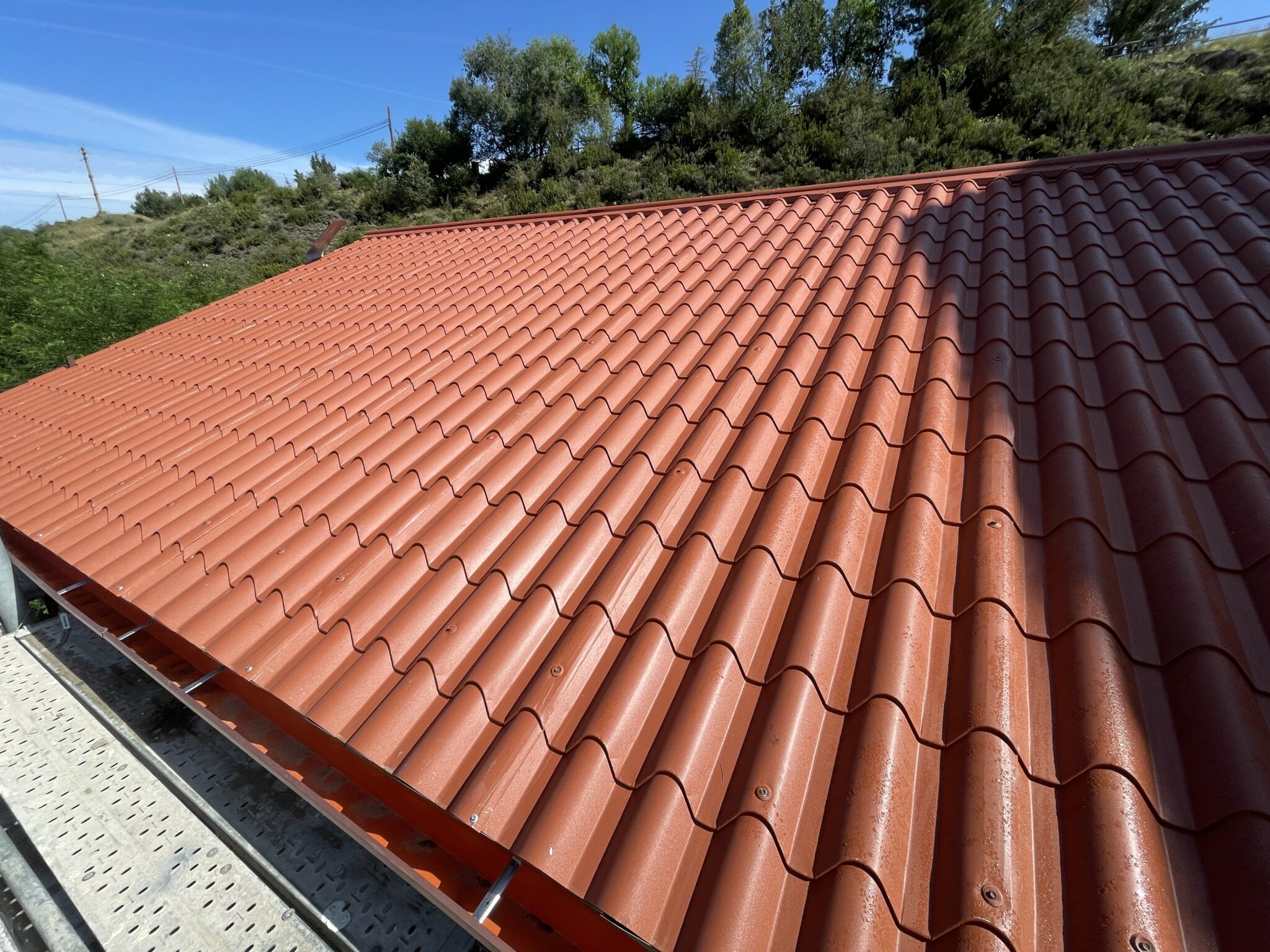
Factors that determine the service life of sandwich panels
The durability of prefabricated roofing stands out compared to traditional construction materials. Thanks to their steel exterior and protective core, these panels withstand direct exposure to sun, rain, and environmental pollution. Purchasing the material through insulated roofing manufacturers ensures high-quality sheets designed for outdoor use.
Preventive maintenance makes the difference in how long a roof retains its properties intact. Cleaning gutters and checking seals delays the natural deterioration of materials. Understanding how to extend the service life of sandwich panels makes it possible to maximise the investment for decades without losing energy efficiency.
Elements that reduce the service life of sandwich panels
Practices to maximise the service life of sandwich panels
-
•
Carry out detailed visual inspections before and after the rainy season. -
•
Wash the exterior surface with low-pressure water and neutral soap. -
•
Avoid using strong solvents that could damage the factory-applied protective coating. -
•
Replace any damaged or cracked flashing immediately. -
•
Clear branches from nearby trees that could rub against or strike the roof.
Implementing a basic cleaning and inspection routine prevents costly repairs. Prevention keeps thermal insulation at optimal levels throughout the entire life of the installation.
Frequently asked questions about the service life of sandwich panels
With proper maintenance, the structure can easily exceed forty years in perfect condition.
It is not mandatory because they come factory-coated, but they can be repainted after decades to refresh their appearance.
High-density polyurethane maintains its thermal properties unchanged throughout the product’s entire service life.
Prolonged accumulation of standing water and extreme salinity in coastal areas without the appropriate treatment.
Yes, always step on the areas where the purlins or lower supports are located to avoid deforming the sheet.
The exterior steel withstands normal hail, although exceptionally severe storms can cause superficial dents that do not affect the insulation.


