Condensation appears when humid indoor air touches a surface colder than its dew point: vapour turns into droplets on the inner face of the roof and, as it accumulates, drips as if there were a leak. This happens mostly in single-skin metal roofs without insulation, in industrial buildings with livestock, kitchens or damp processes, and on cold nights with clear skies. The definitive solution is to prevent the inner face from cooling down: insulated sandwich panel, well-sealed joints and ventilation.
Why a metal roof drips without rain
Single-skin sheeting cools down to almost the outside temperature. At night, with clear skies, it can even drop below the outside air temperature. If there is humidity inside (animals, people, kitchens, material drying, fresh concrete), the vapour condenses on the sheet and falls in drops. That is why many “leaks” that only appear on cold mornings are, in reality, condensation.
Main causes
- Uninsulated roof: single-skin sheeting or asbestos cement. This is the most common cause.
- Thermal bridges: areas where insulation is interrupted, such as open joints, poorly resolved overlaps or junctions with walls and skylights.
- High indoor humidity: livestock, industrial kitchens, laundries, fruit warehouses or processes involving water.
- Poor ventilation: humid air is not renewed and accumulates under the roof.
Solutions from minor to major scope
Why sandwich panels prevent condensation
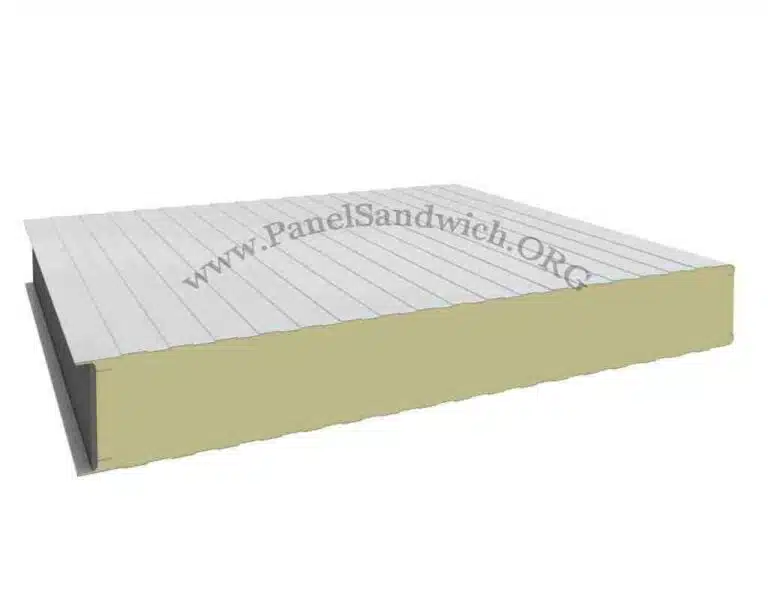
The insulating core (PUR, PIR or rock wool) separates the outer sheet, which cools down, from the inner sheet, which stays close to the room temperature. If the inner face does not drop below the dew point, the vapour does not condense. To make it work:
- Choose a thickness according to the climate and use. Greater thickness means a warmer inner face.
- Mount the panels with well-fitted joints and seal the overlaps with butyl tape on low slopes.
- Use flashings at the ridge, sides and junctions with walls.
- In livestock farms, use agropanel: its polyester inner face withstands ammonia and humidity.
Which panel to choose according to use
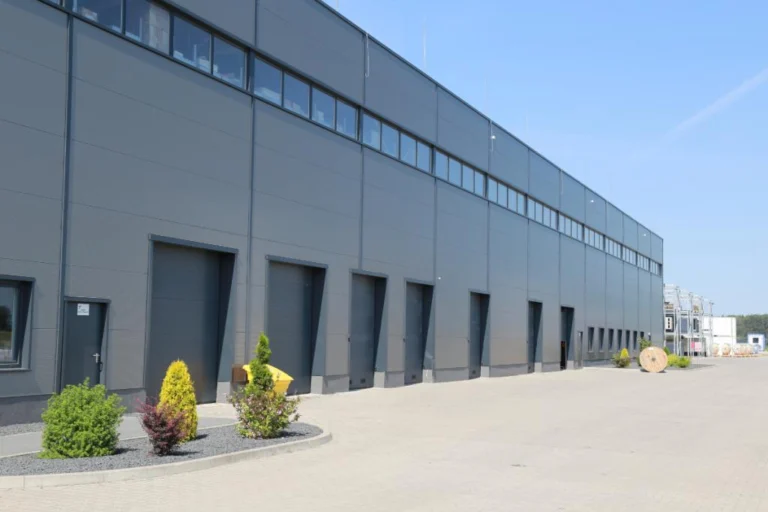
- Industrial building or warehouse: 3 or 5-rib roof sandwich panel.
- Livestock farm: agropanel.
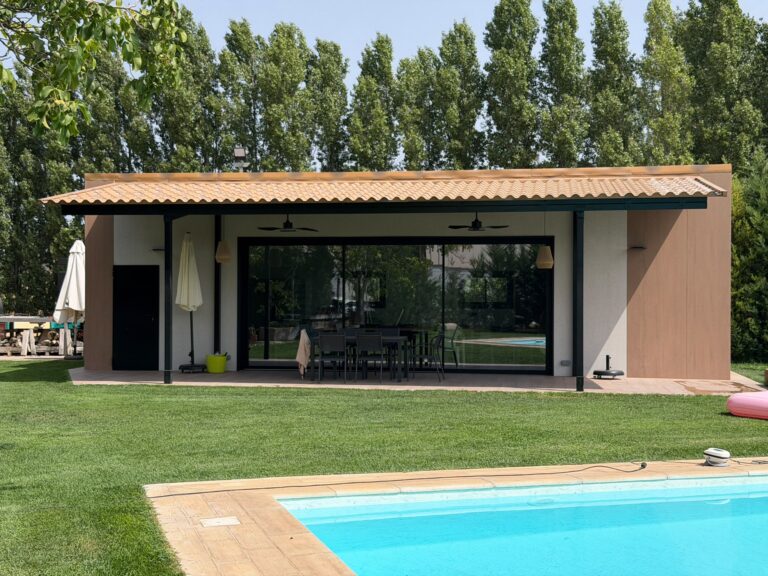
- Home, garage or porch: tile effect panel.
- Cold room: refrigeration panel, with joints designed for vapour tightness.
If you are coming from an asbestos roof, you can find the process in how to replace asbestos cement with sandwich panel.
Frequently asked questions
Why does the roof drip if it is not raining?
Due to condensation: indoor water vapour turns into droplets when touching the cold sheet, especially on cold, clear nights.
Do sandwich panels suffer from condensation?
When properly installed, not under normal conditions, because the inner face remains warm. If it appears, it is usually due to open joints, thermal bridges or very high indoor humidity without ventilation.
Is an anti-condensation foil useful?
It helps in industrial buildings with low humidity, but it does not insulate. If there is livestock, kitchens or high humidity, the lasting solution is the sandwich panel.
Is ventilation necessary even with sandwich panels?
Yes. The panel prevents the roof from being cold, but the humidity generated inside must escape. Use ridge ventilators or mechanical ventilation depending on the use.
Is your roof dripping due to condensation? Send us photos, measurements and the use of the industrial building and we will recommend the panel and thickness. Request a quote or call us at 699 147 762.