
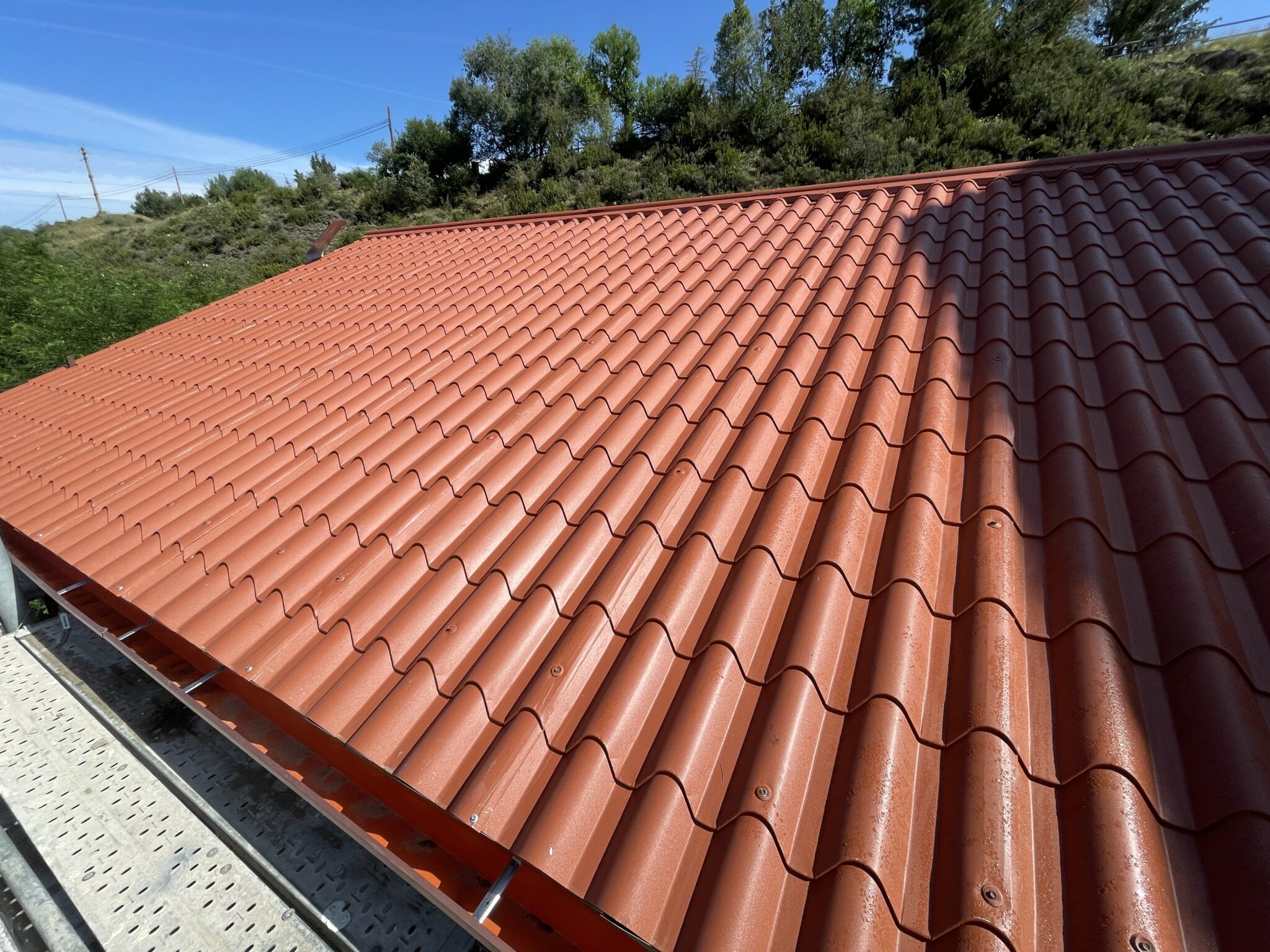
Industrial roof renovation: replacing fibre cement with insulated panels
Modernising industrial roofs involves removing outdated materials that may be hazardous to health and replacing them with efficient, safe solutions. This process improves the facility’s operating conditions and increases the property’s value in the logistics market. To plan your project with approved components, turn to a specialist company in sandwich panels and industrial roofing.
Stages of the dismantling and replacement process
Old materials must be removed under strict safety regulations before installing the new roof.
Operational stages of the renovation
-
1.
Asbestos removal: Removal of the old material by qualified, properly equipped technical staff. -
2.
Structural inspection: Checking the condition of the existing support beams and purlins. -
3.
Installation of insulated panels: Fast fixing of the new panels to close the building envelope.
Advantages of changing the material
Regulatory and functional considerations
Carrying out the process of replacing uralite with sandwich panels requires a work plan approved by the competent authorities. Once the remediation is complete, installing the new composite sheets provides an immediate improvement in energy efficiency, reducing costs associated with heating and cooling consumption.
Always hire companies registered in the relevant official register for the handling and safe transport of hazardous waste.
Frequently asked questions about replacing uralite with sandwich panels
It must be replaced when it reaches the end of its service life or if it shows damage, cracks, or breakages that release particles into the environment.
It must be carried out by a specialist company registered with the RERA (Register of Companies with Asbestos Risk).
It depends on the surface area, but specialist teams typically remove and install between 150 and 300 square metres per day.
In most cases, yes, as today’s insulated panels are lightweight and adapt to metal or concrete purlins.
An execution technical project, a municipal building permit, and approval of the asbestos-removal plan are required.
It provides complete thermal insulation, eliminates leakage risks, and updates the building in line with current regulations.


