
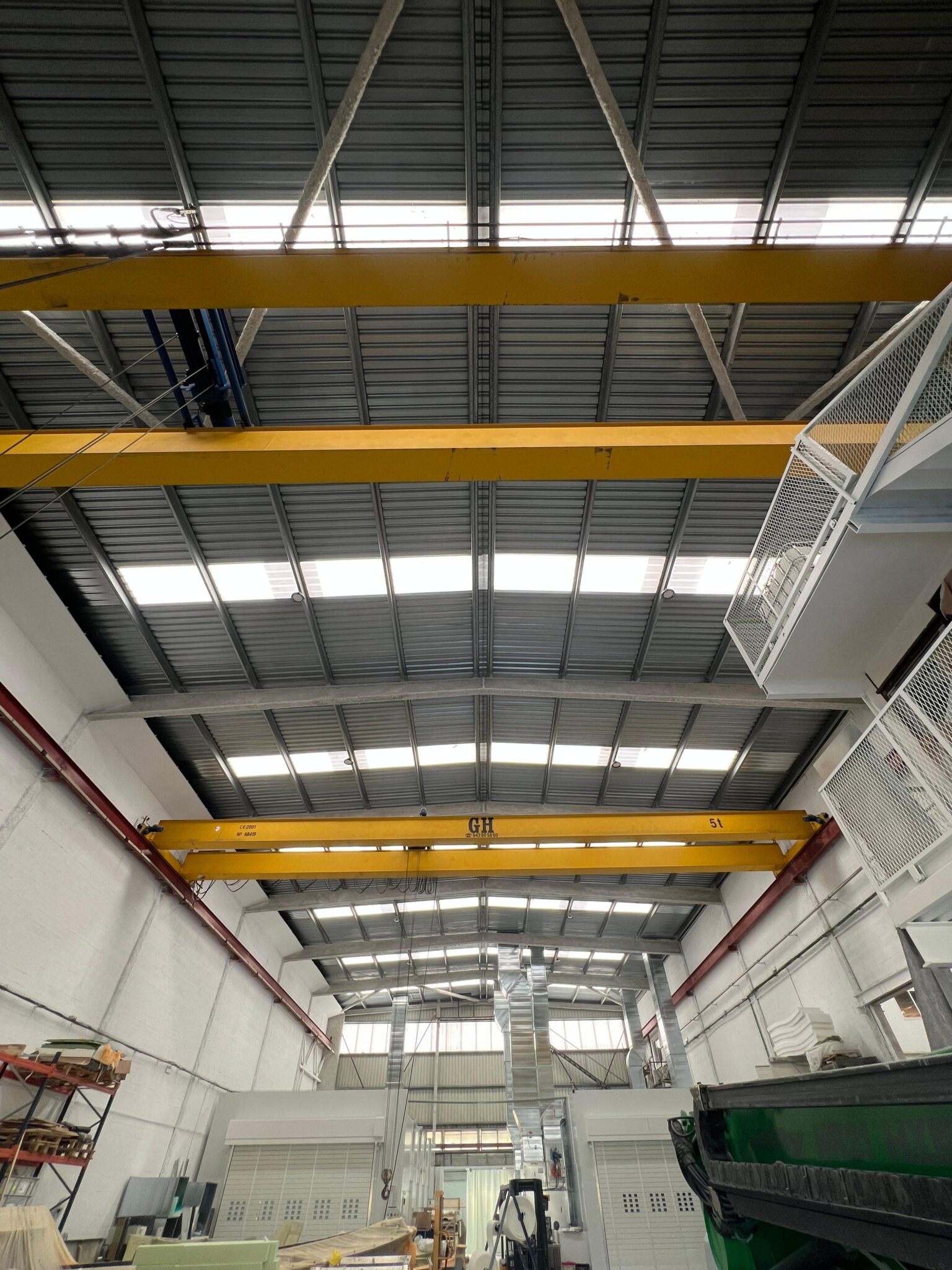
Technical differences between insulated modular panels and single-sheet metal roofing
Choosing the cladding for an industrial roof defines the building’s comfort conditions and the structure’s durability. Comparing the properties of composite systems versus single-sheet solutions helps determine the most cost-effective option for each project. If you are looking for specific roofing solutions, visit a company specializing in sandwich panels and industrial roofing.
Analysis of structural and thermal properties
The main difference lies in the insulation capacity and mechanical strength of each building element.
Features of the insulated panel
-
•
Thermal core: Incorporates polyurethane or rock wool that slows the transfer of heat and cold. -
•
Rigidity: The bond of three layers allows it to withstand higher loads with fewer support points. -
•
Acoustics: Dampens outside noise caused by rain or wind.
Technical performance comparison
Selection criteria for industrial buildings
The intended use of the building determines the appropriate material. Using sandwich panels vs single-sheet metal is fully justified in spaces where temperature-sensitive products are stored or where staff work continuously. By contrast, open canopies or agricultural machinery storage areas can be effectively solved with simpler solutions.
Always choose insulated options if the building needs to maintain a controlled temperature or if you want to avoid indoor humidity issues.
Frequently asked questions about sandwich panels vs single-sheet metal
It is recommended for open structures, sheds, or warehouses where temperature and noise control are not a relevant factor.
The insulated panel absorbs acoustic impact efficiently, preventing the resonance effect typical of simple metal sheets.
Both systems are durable, but the composite panel prevents deformation from extreme thermal expansion by keeping the supporting structure protected.
Single-sheet metal easily forms water droplets with sudden temperature changes, which can damage goods stored inside.
Single-sheet metal is installed faster due to its light weight, although the panel does not require additional insulation steps afterward.
Single-sheet metal is considerably cheaper upfront, but it does not offer the panel’s energy-saving benefits.


