
SELECTION GUIDE
Types of Sandwich Panels: Which to Choose Based on Application
Not all panels are designed for the same application. This guide compares the main types of sandwich panels based on their use: roofs, facades, residential buildings, cold rooms, farms, and projects with specific fire or acoustic requirements.
The objective is to help you identify the appropriate family before delving into specific models, thicknesses, colors, or prices.
How Sandwich Panels Are Classified
The most useful classification is not based on color or thickness, but on the function the panel must fulfill. From there, the core, profile, fastening, and finish are defined.
Where will it be installed?
First, it is necessary to distinguish between roofing, facade, cold room, farm, or enclosure with specific requirements.
What do you need to prioritize?
Thermal insulation, fire performance, acoustics, watertightness, resistance to corrosive environments, or architectural finish.
What finish and joint are suitable?
Ribbed profile, smooth, visible or concealed fasteners, tile imitation, special interior coatings, and core thickness.
Main Types of Sandwich Panels
These are the main families available at PanelSandwich.org. Each is then divided into specific models according to profile, fastening, thickness, and finish.
Roof Sandwich Panel
For pitched roofs of industrial buildings, porches, and other overhead enclosures.
- Ribbed exterior profile
- PUR/PIR depending on model
- 3 ribs, 5 ribs, or joint cover
Facade sandwich panel
For exterior and interior vertical enclosures, with different fastening and finish solutions.
- Visible or concealed fasteners
- Ribbed, micro-ribbed, or smooth finish
- Industrial, commercial, and residential use
Imitation tile sandwich panel
For homes, porches, and renovations where traditional aesthetics are more important.
- Traditional tile appearance
- Integrated insulating core
- Residential finishes
Refrigerated sandwich panel
For cold storage, freezing chambers, and spaces where thermal control and airtightness are priorities.
- Specific joints
- Thicker options available
- Cold storage and freezing
Rock Wool Sandwich Panel
For projects with specific fire resistance and/or acoustic insulation requirements.
- Mineral core
- EI/REI solutions depending on product
- Roof, facade, and compartmentalization
Agropanel for Farms
For roofs and enclosures exposed to agricultural or corrosive environments.
- Specific interior coatings
- Resistance to aggressive environments
- Farms and agricultural facilities
Quick Comparison of Sandwich Panel Types
This table serves as an initial guide. The final choice must be verified with the performance data and documentation of the specific product.
| Type | Main Use | What Differentiates It | Aspects to Review |
|---|---|---|---|
| Roofing | Pitched roofs and coverings | Ribbed profile and overlap or joint cover solution | Slope, loads, support spacing, fastenings, and trim |
| Facade | Vertical enclosures | Options for visible, concealed fasteners, and smooth finish | Wind, modulation, joint, substructure, and aesthetics |
| Tile Imitation | Residential buildings, porches, and renovation | Geometry and exterior finish with a traditional appearance | Slope, tile module, trim, and supports |
| Cold Room | Cold chambers and thermal enclosures | Airtight joints and high thicknesses | Service temperature, thickness, connections, and seals |
| Rock Wool | Fire, acoustics, and compartmentalization | Mineral core and specific performance characteristics | Required classification, thickness, system, and documentation |
| Agropanel | Farms and corrosive environments | Interior face or coating adapted to the environment | Environmental aggressiveness, condensation, cleaning, and ventilation |
The Insulating Core Also Changes the Panel Type
Two visually similar panels can have very different performances depending on the core and system configuration. It is advisable to separate the choice by use from the choice by technical performance.
PUR / PIR
They are commonly used when high thermal insulation with contained thicknesses is sought. The declared fire reaction and conductivity of each product must be checked.
Rock wool
It is used when the project requires specific fire performance or acoustic insulation. The classification depends on the specific system and thickness.
Special Coatings
In cold rooms, farms, or aggressive environments, the interior coating can be as important as the insulating core itself.
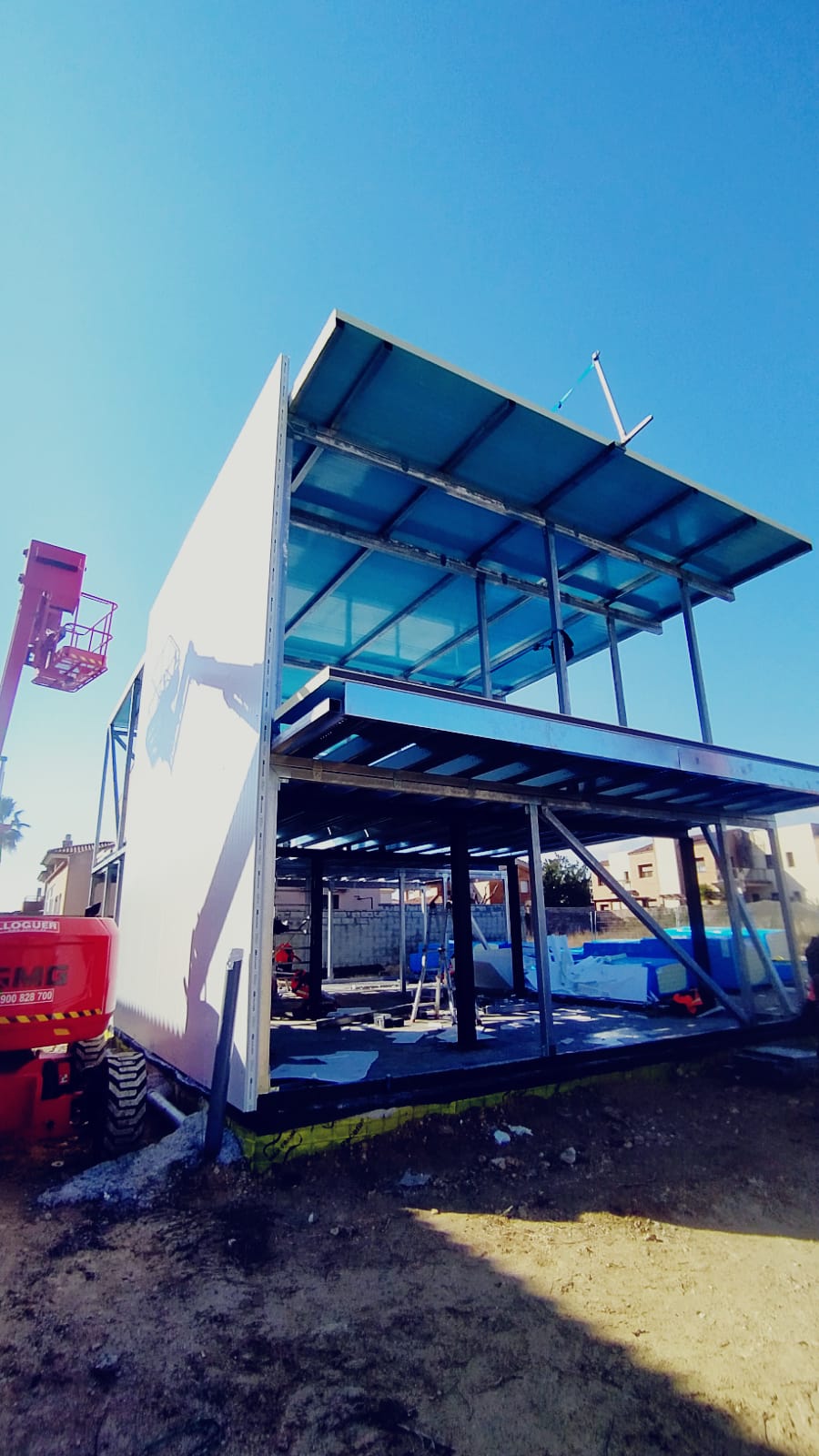
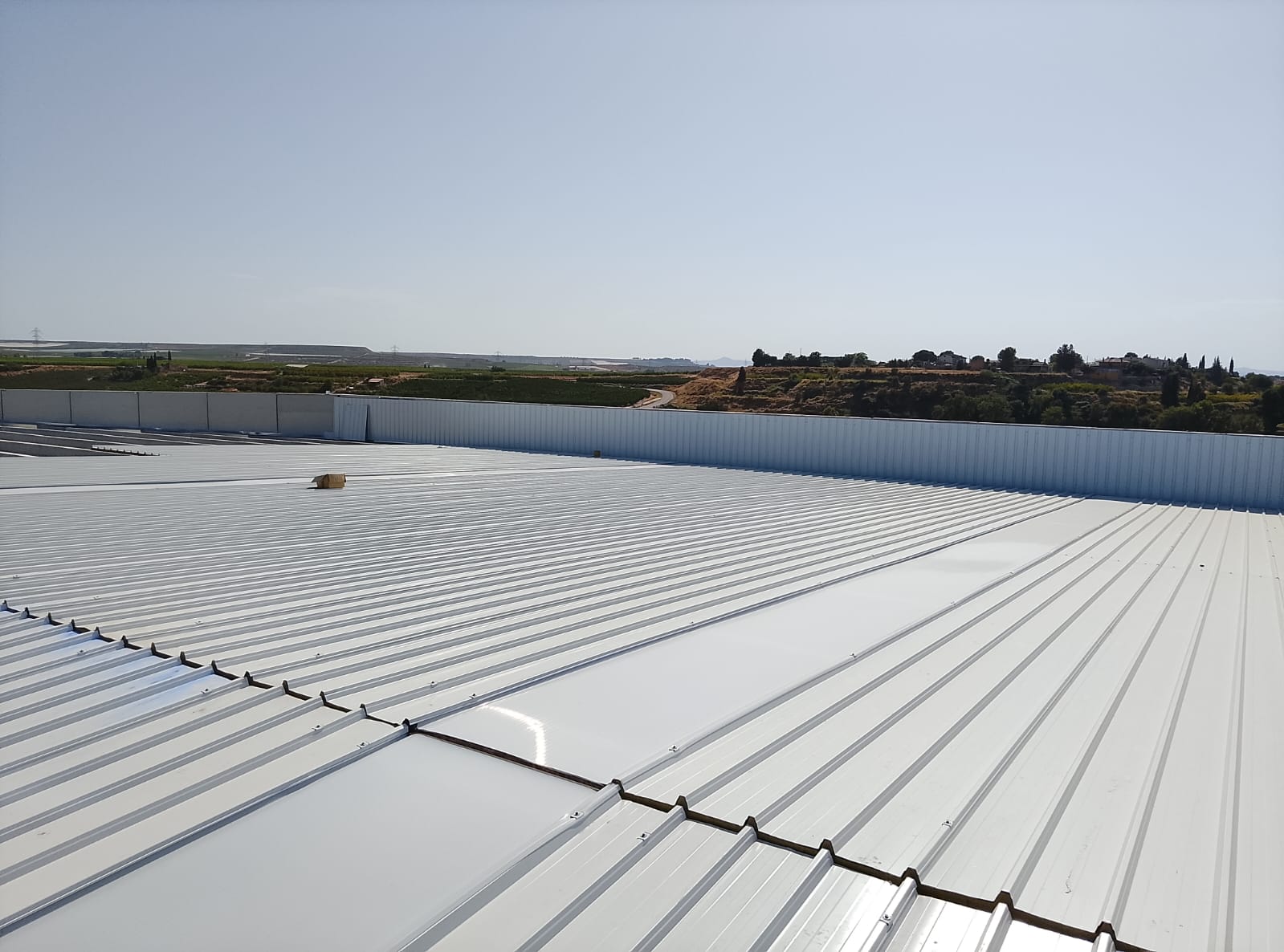
Types of Sandwich Panels in Real Projects
These photographs, already published on PanelSandwich.org, show how the solution changes depending on the use: industrial roofing, residential, and combined enclosures.
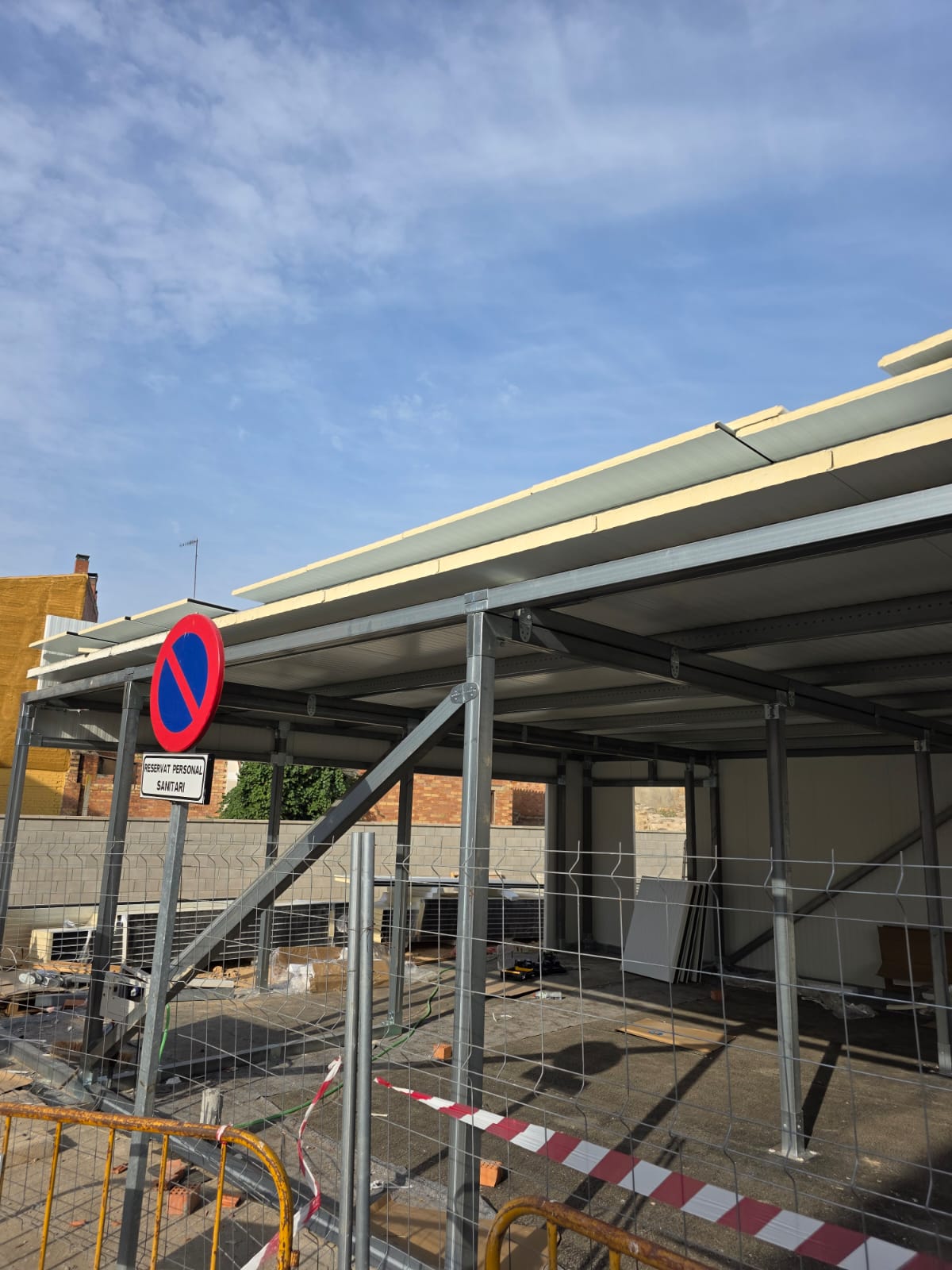
Residential and Enclosure
The panel is also used in residential and industrialized construction.
View project →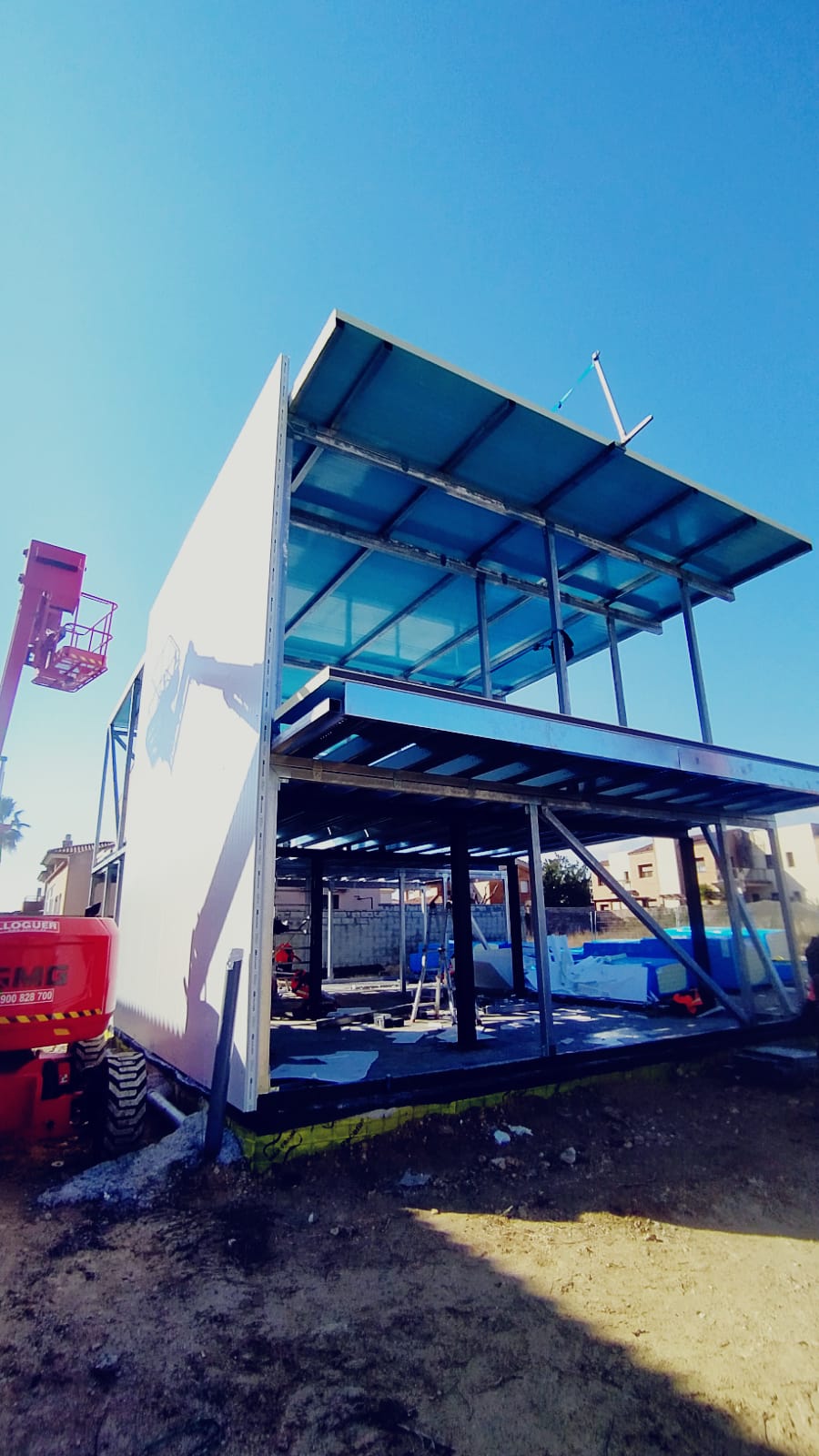
Roof + Facade
A single project can combine different panel families depending on each area.
View project →Which Type of Panel to Choose Based on the Project
This sequence avoids comparing products that solve different problems. First, the application is defined, and then the specific model is chosen.
Frequently Asked Questions About Sandwich Panel Types
There isn’t a single classification. For product selection, it’s practical to separate them by application: roof, facade, tile imitation, cold room, rock wool, and Agropanel. They are then differentiated by core, profile, fastening, thickness, and finish.
The roof panel is designed for pitched overhead enclosures and usually incorporates ribs and overlap solutions. The facade panel is designed for vertical enclosures and can use visible or concealed fasteners, in addition to different surface finishes.
It depends on the part of the building. For the roof, a roof panel or tile imitation panel can be used; for vertical enclosures, facade solutions are employed. The specific product must be checked according to aesthetics, insulation, supports, and project requirements.
When the enclosure requires thermal control and joints adapted for cold storage or freezing chambers. The service temperature and required thickness are determining factors.
When the project requires specific fire resistance or acoustic insulation performance. The classification and documentation of the specific product must be used.
No. Thickness influences insulation and performance, but use, span between supports, loads, fastenings, joints, exposure environment, and regulatory requirements must also be reviewed.


