

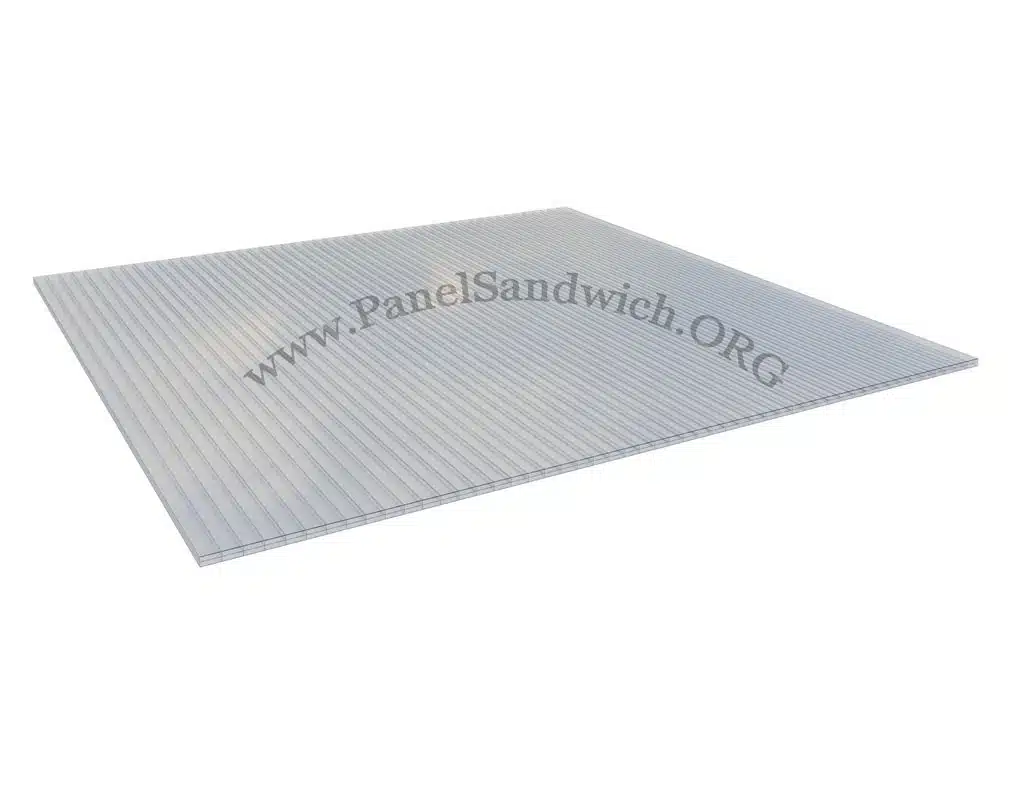
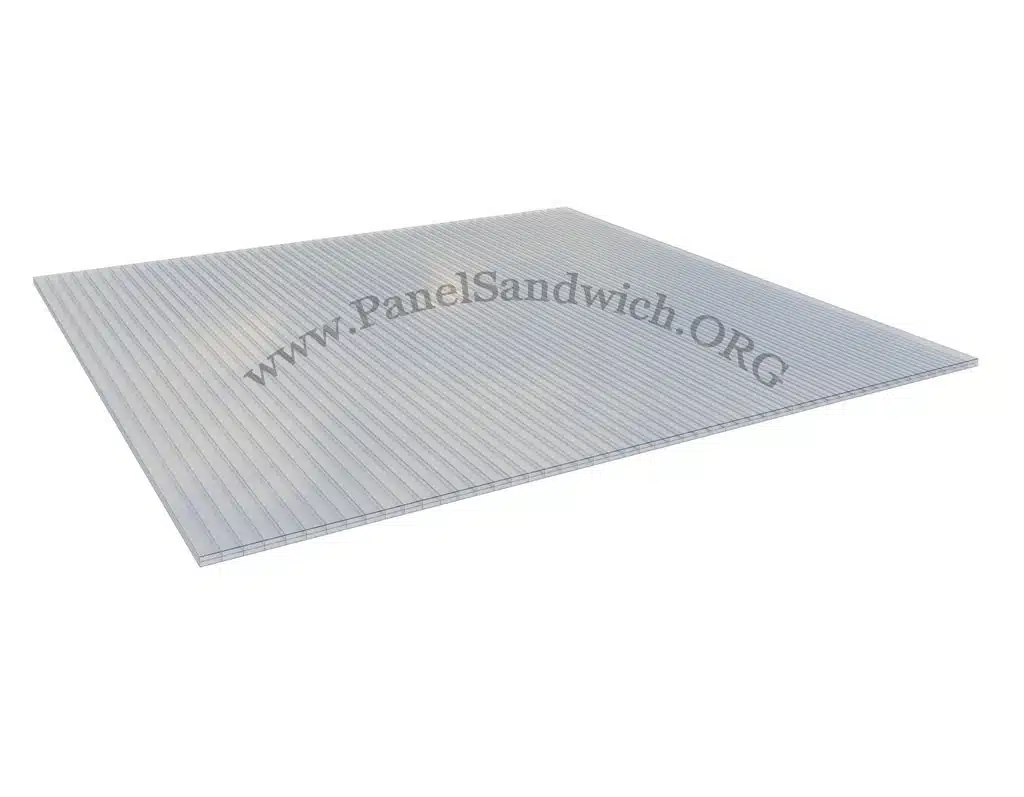
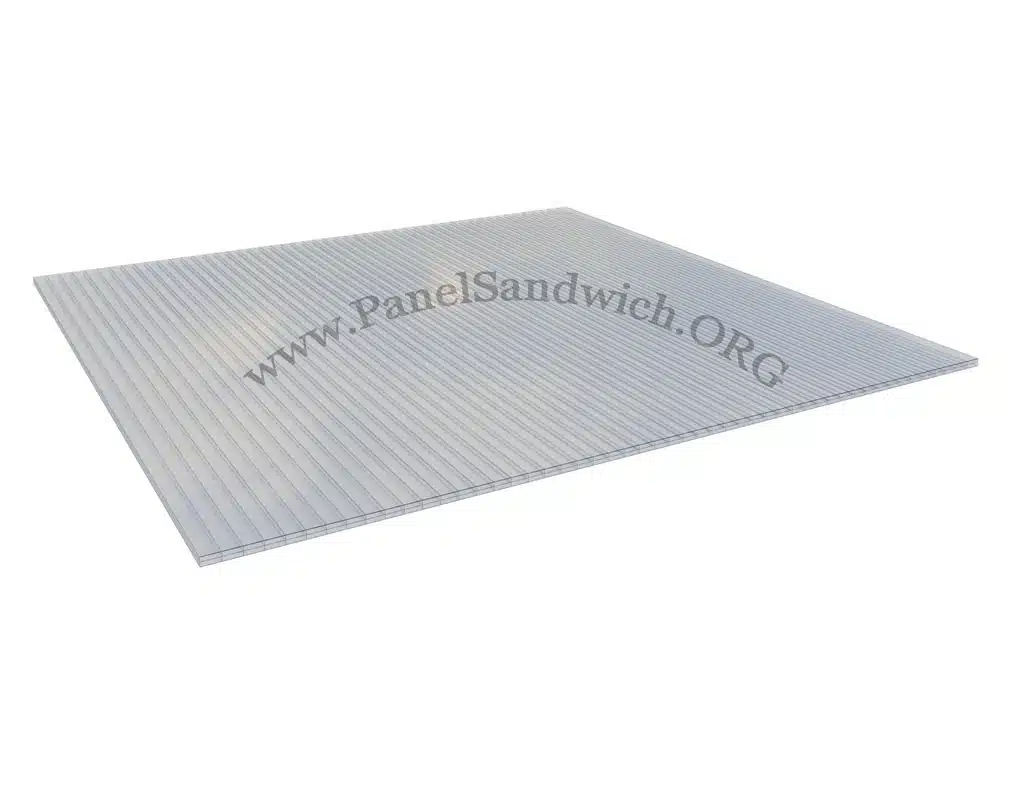
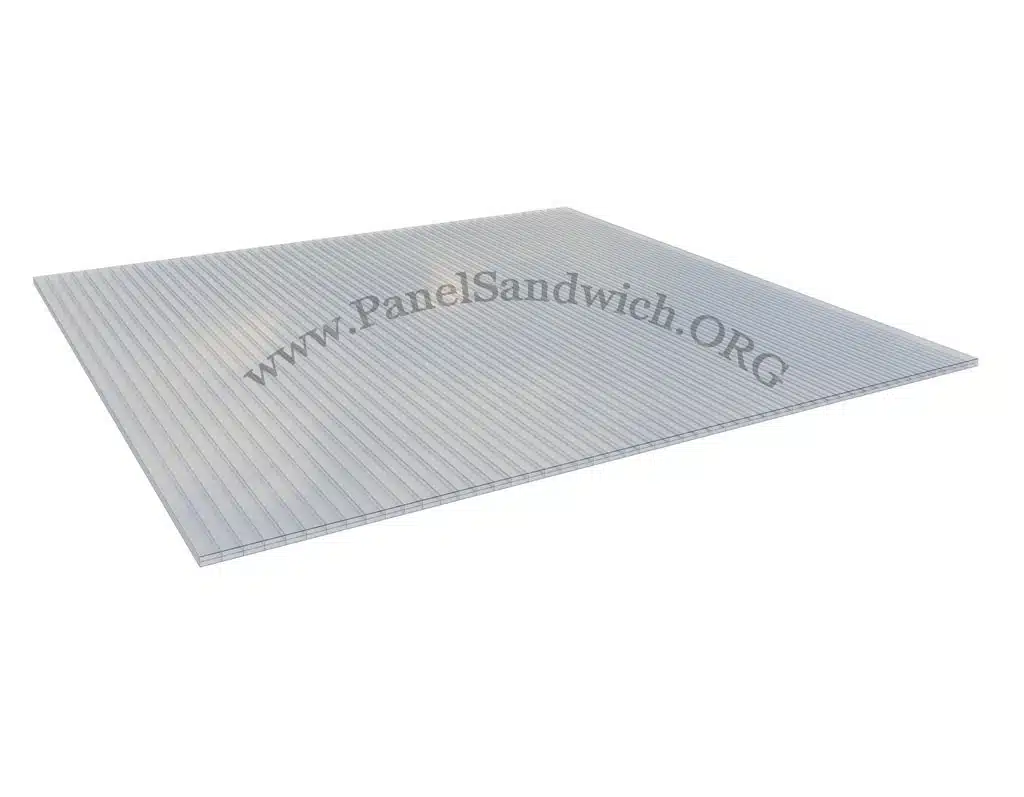
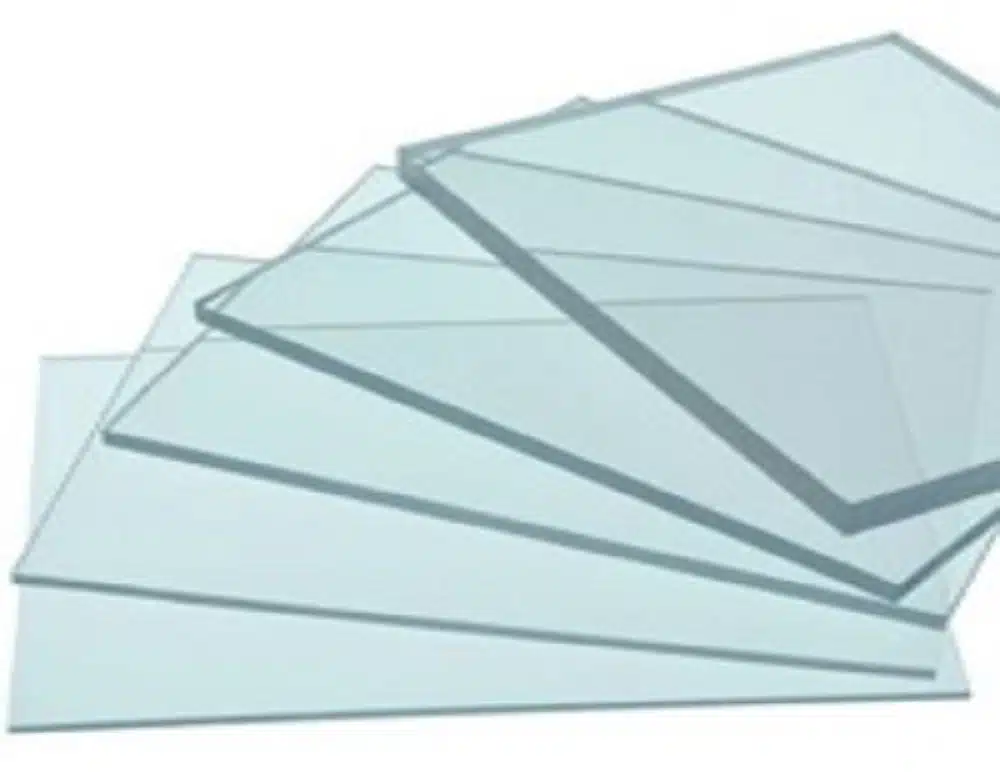
Polycarbonate is a clear, lightweight technical plastic with very high impact resistance. In construction it is used as sheets that let natural light into roofs, rooflights, façades, greenhouses and enclosures, wherever glass would be too heavy or too easy to break.
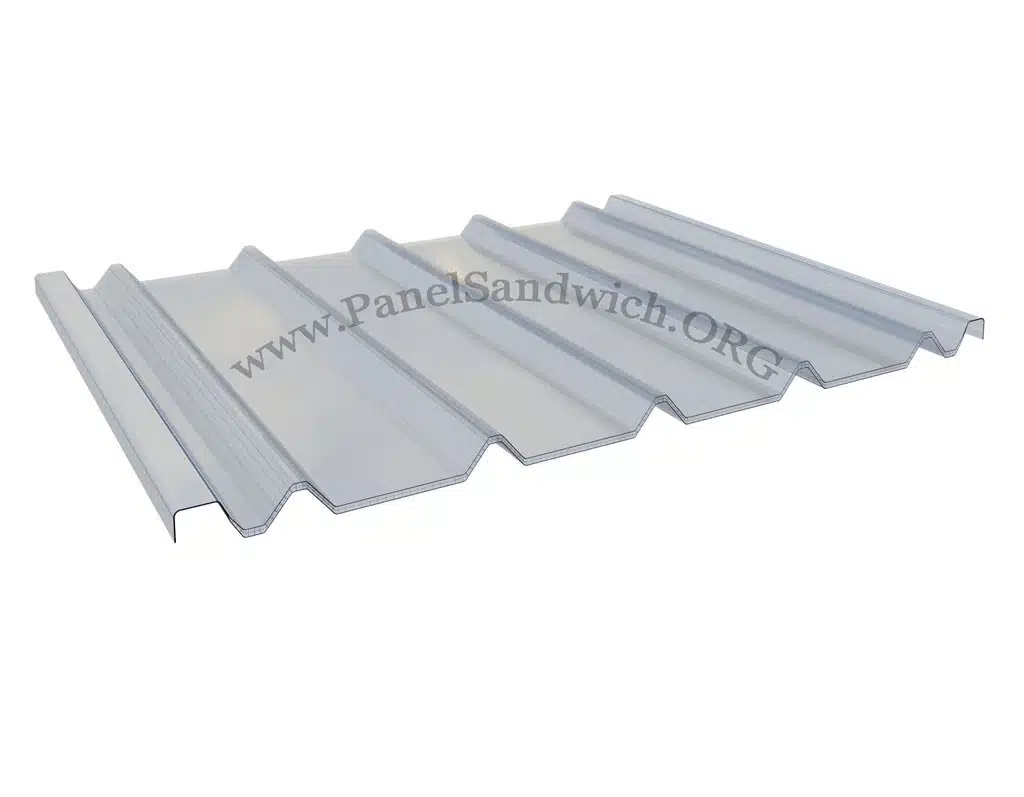
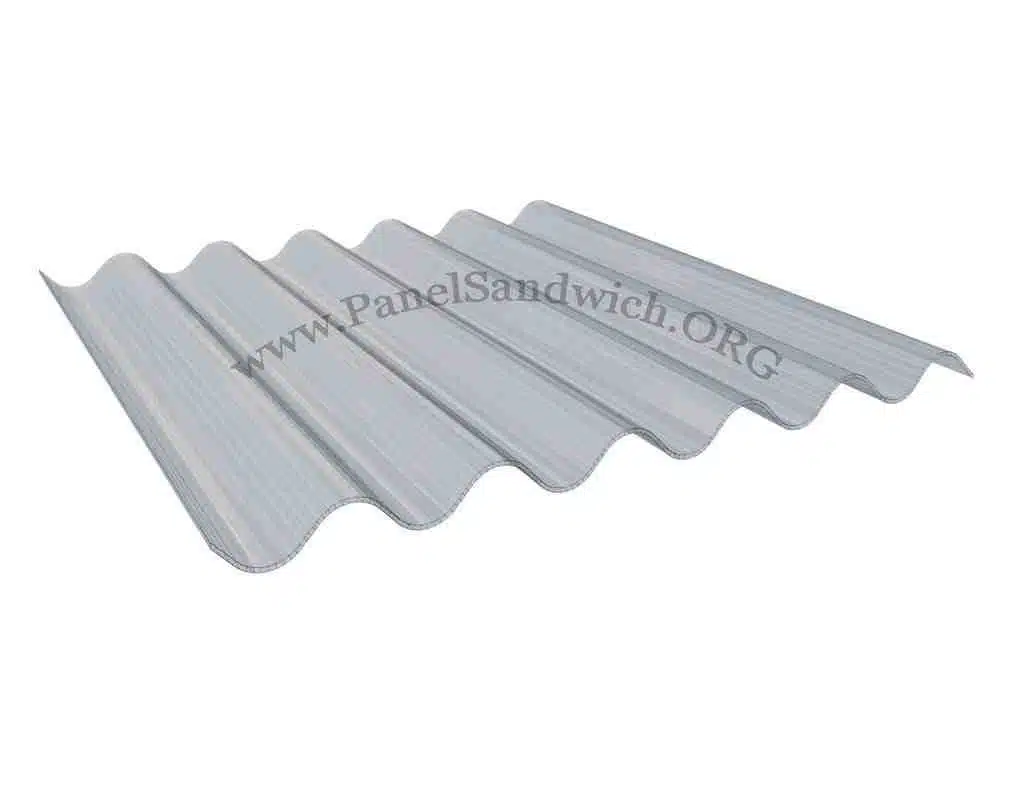
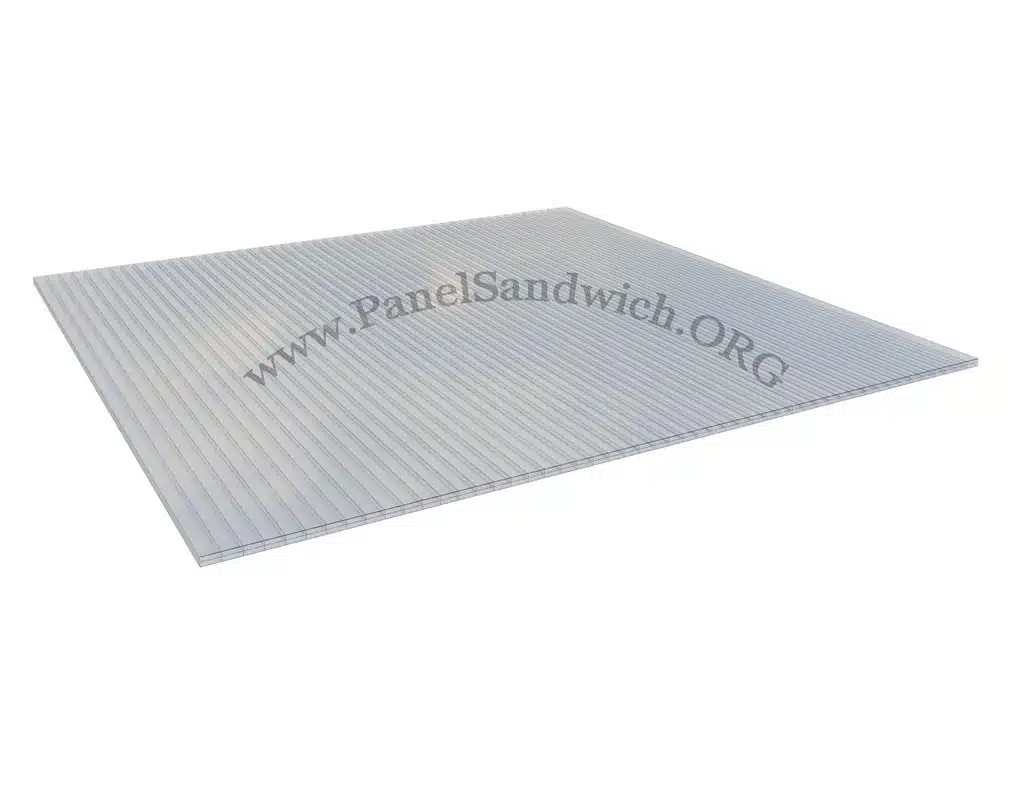
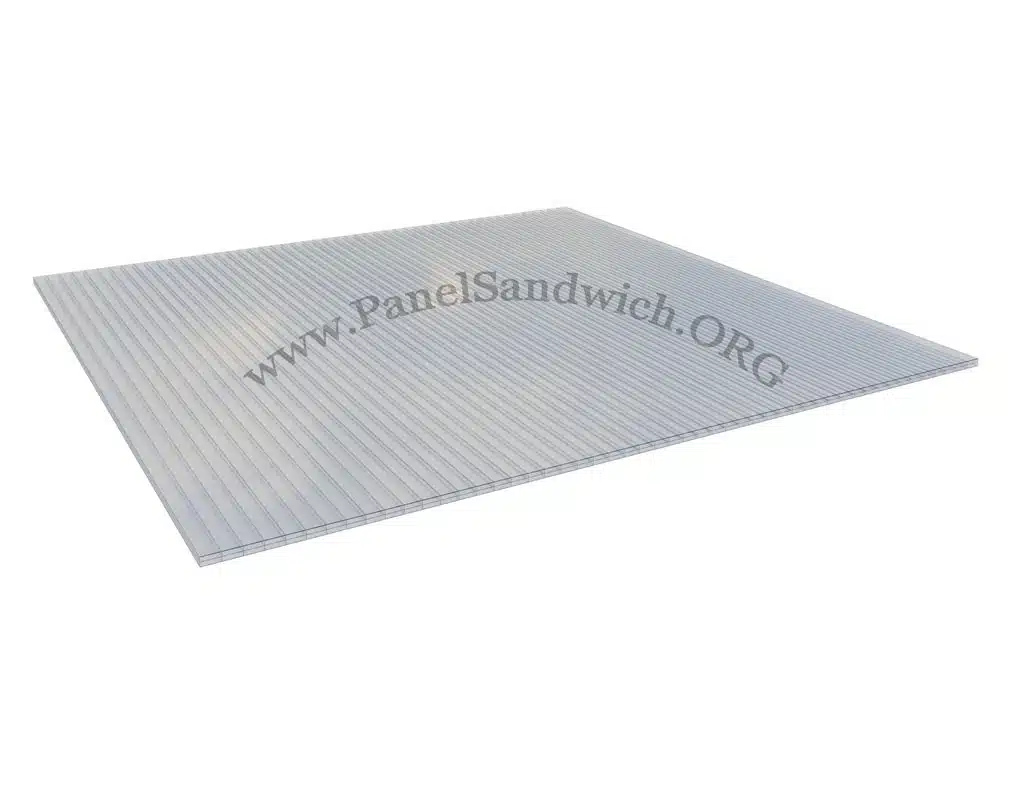
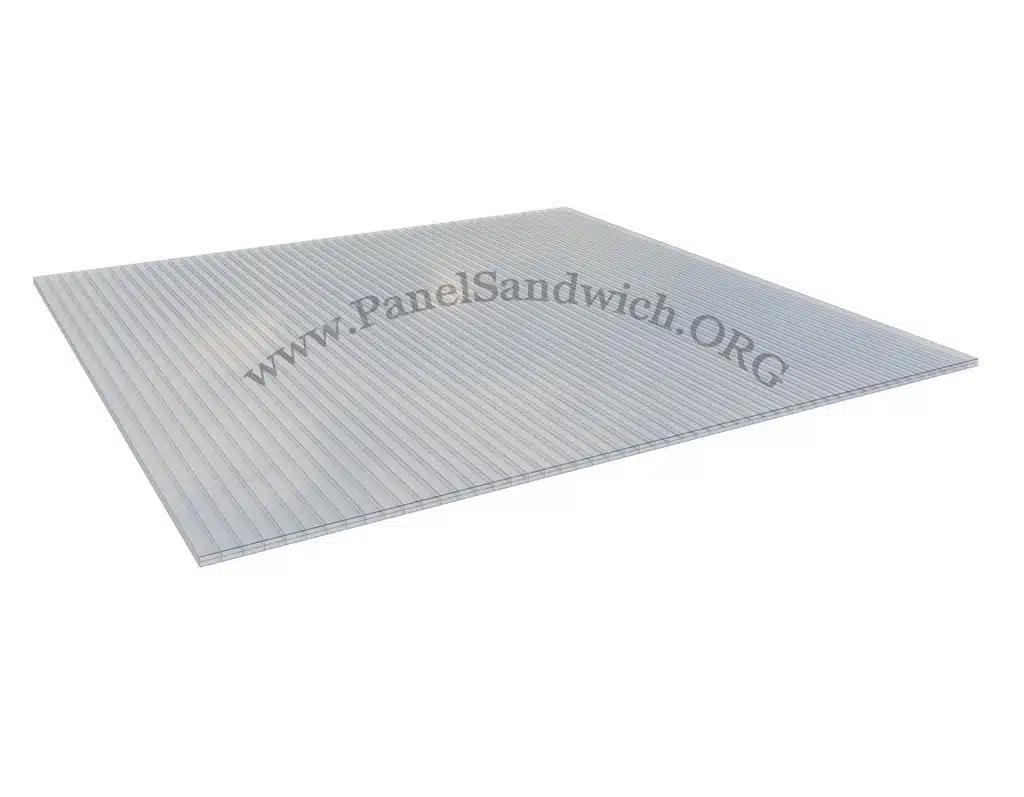
This category brings together all the polycarbonate sheets we supply: multiwall polycarbonate from 4 to 25 mm, solid polycarbonate from 2 to 10 mm, multi-purpose polycarbonate in 30 and 40 mm for roofs and façades, and profiled rooflight sheets for metal and fibre cement roofs. All of them have UV protection on the outer face; solid sheets on both faces.
TYPES
Thicknesses, sizes and uses compared, based on each product data sheet.
| Sheet type | Thickness (mm) | Width | Finish | Main use |
|---|---|---|---|---|
| Multiwall | 4, 6, 8, 10, 16 and 25 | Up to 2.10 m | Clear or opal | Rooflights on a frame, greenhouses, translucent tunnels, pergolas and enclosures |
| Solid | 2 to 10 | 2.05 m | Clear | Glass replacement, safety and industrial guarding, barrel vaults and roofs |
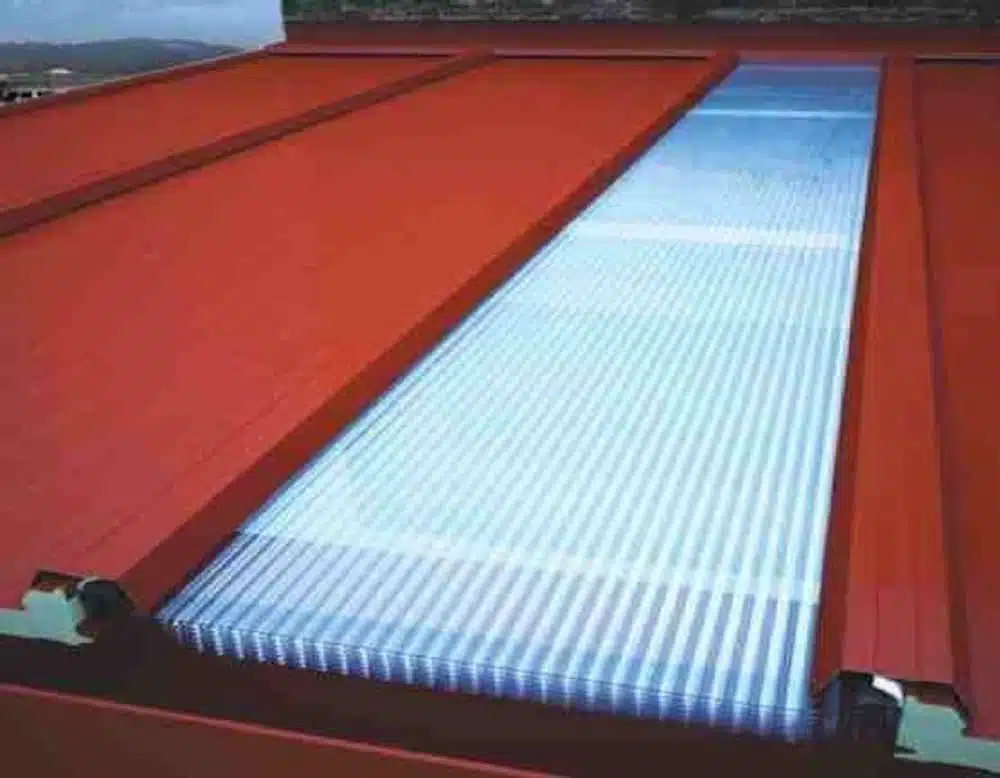
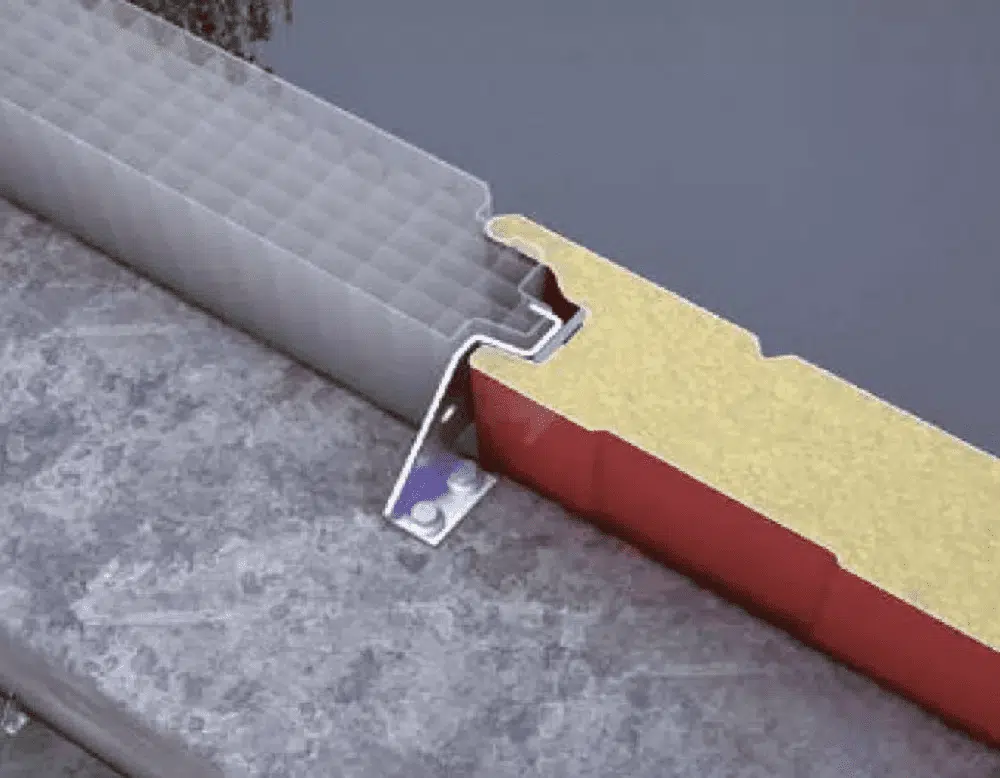
| Multi-purpose roof sheet | 30 | 1 m | Clear | Rooflights in sandwich panel roofs |
| Multi-purpose façade sheet | 40 | 435 mm tongue-and-groove sheets; lengths up to 13.5 m | Clear | Translucent walls in industrial and commercial buildings |
| Profiled for metal sheet | 0.9 | 1,000 mm cover width (trapezoidal profile) | Clear or opal | Rooflights in trapezoidal metal roofs |
| Profiled for fibre cement | 0.9 | 1,100 mm (large corrugation) | Clear or opal | Rooflights in corrugated sheet roofs |
TECHNICAL DATA
Values from the data sheets of standard multiwall and solid polycarbonate.
| Sheet | Light transmission, clear (%) | Light transmission, opal (%) | U-value (W/m²·K) | Sound insulation (dB) | Minimum bending radius (mm) |
|---|---|---|---|---|---|
| Multiwall 4 mm | 82 | 64 | 3.9 | 14 | 750 |
| Multiwall 6 mm | 80 | 60 | 3.5 | 15 | 1,000 |
| Multiwall 8 mm | 80 | 60 | 3.2 | 16 | 1,250 |
| Multiwall 10 mm | 80 | 55 | 3.0 | 19 | 1,500 |
| Multiwall 16 mm | 62 | 35 | 2.0 | 21 | 2,400 |
| Solid 3 mm | 88 | 56 | 5.5 | 26 | 450 |
| Solid 4 mm | 87 | 48 | 5.3 | 27 | 600 |
| Solid 5 mm | 87 | 42 | 5.2 | 28 | 750 |
The thicker the multiwall sheet, the better it insulates and the stiffer it is, but the less it can be curved. As a guide, thin sheets are used for porches and pergolas and thick ones for industrial roofs. Solid sheet lets more light through and withstands impacts better, but insulates less.
RANGES
 Multiwall polycarbonateMultiwall sheets from 4 to 25 mm, clear or opal, lightweight and insulating.See more
 Solid polycarbonateSolid sheet from 2 to 10 mm with UV protection on both faces: the lightweight alternative to glass.See more
 Multi-purpose polycarbonate30 mm for rooflights in sandwich panel roofs and 40 mm tongue-and-groove for façades.See more
 Rooflight sheetsProfiled sheets that match trapezoidal metal sheet or corrugated fibre cement.See more
APPLICATIONS
INSTALLATION
More details in our guide to natural light in sandwich panel roofs and in the rooflights chapter of the technical information. For a complete roof, see also sandwich panel for roofing and ribbed metal sheet.
FAQ
Multiwall sheet has air cells inside: it is lighter and insulates better (from 3.9 to 2.0 W/m²·K between 4 and 16 mm). Solid sheet lets more light through (87–88% when clear), withstands impacts better and is used as an alternative to glass.
Clear sheet lets in the most light and you can see the sky. Opal diffuses the light, avoids glare and lets in less heat, which is why it is usually preferred for workshops and warehouses.
The thicker the sheet, the better it insulates and the stiffer it is: 3.0 W/m²·K at 10 mm and 2.0 at 16 mm. In return it can be curved less (minimum radius of 1,500 and 2,400 mm). Thin sheets are used for porches and pergolas and thick ones for industrial roofs.
Yes. The 30 mm, 1 m wide multi-purpose roof sheet is compatible with roof sandwich panels and creates strips of light between the panels. For trapezoidal metal or fibre cement roofs there are matching profiled sheets.
No. The sheets are not walkable. Always step on the structure and work with the roof safety measures in place.